10 Stunning Garden Design Ideas to Transform Your Outdoor Space
Step into the world of garden design and discover 10 stunning ideas that will revolutionize your outdoor space. In this article, we delve into the art of transforming gardens, whether they are small urban sanctuaries or spacious rural landscapes. Explore innovative ways to maximise compact areas with creative designs that make the most of every inch. Learn how to harmonise hardscape and softscape elements seamlessly for a garden that is not only visually striking but also a sensory delight. Get inspired by sustainable gardening practices that will not only enhance the beauty of your outdoor space but also contribute towards a greener, eco-friendly environment. Discover front yard garden design tips that will elevate your home's curb appeal and leave a lasting impression on visitors. And for those seeking a peaceful retreat, immerse yourself in Zen garden design ideas that promise a tranquil outdoor oasis perfect for relaxation and serenity. Join us on this journey as we explore the endless possibilities of garden design and awaken your creativity to transform your outdoor space into a breathtaking haven
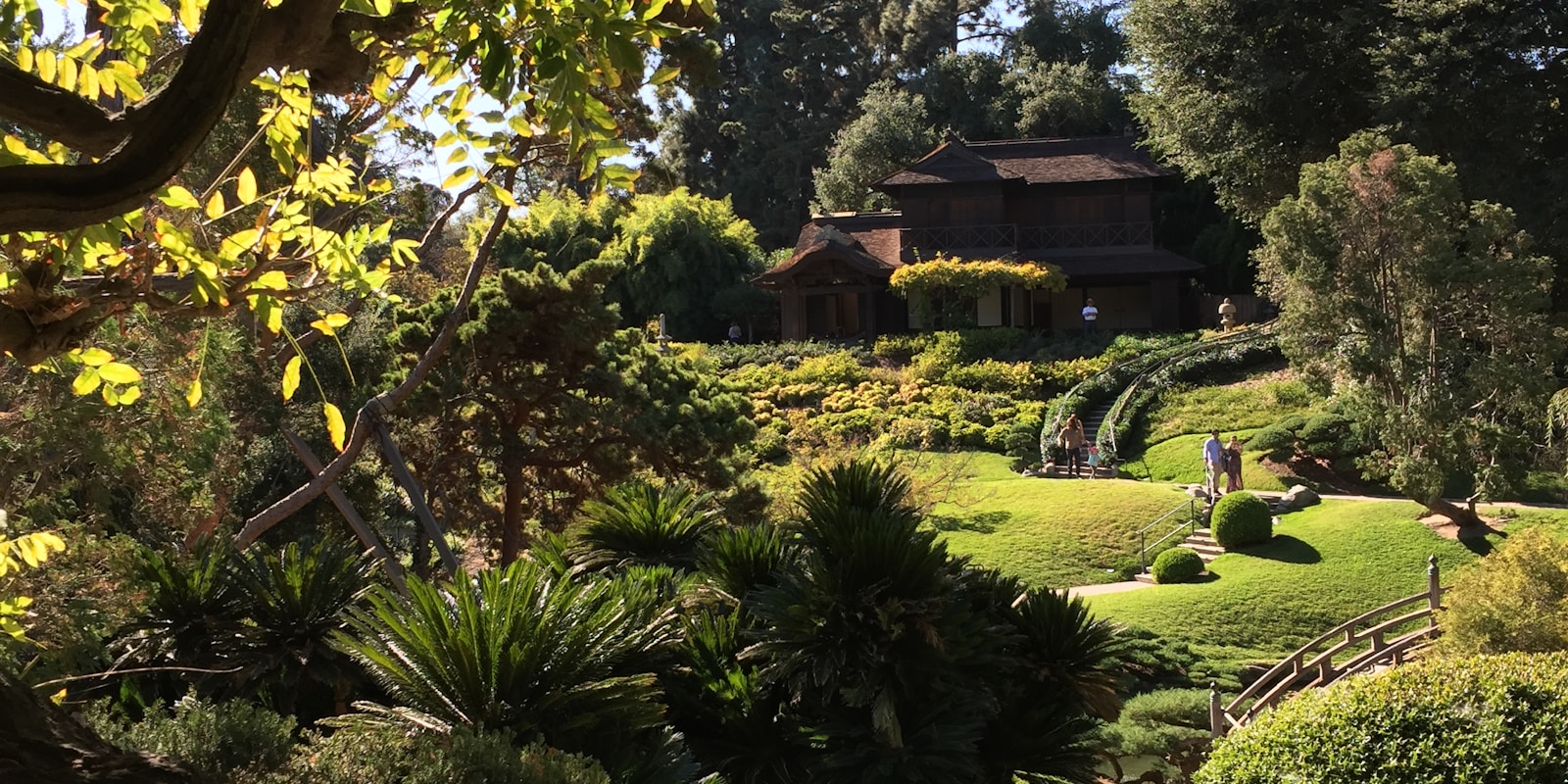
Maximising Small Spaces: Creative Garden Design Ideas for Compact Areas
Designing a garden in a small space can be a challenging yet rewarding task. With strategic planning and creative thinking, you can transform even the most compact outdoor areas into stunning and functional garden spaces. Maximising small spaces through innovative garden design ideas offers a unique opportunity to create an oasis that feels larger and more inviting than its actual physical dimensions. One effective strategy for utilising compact areas is to incorporate vertical gardening techniques. By using trellises, hanging planters, or wall-mounted pots, you can maximise space and add visual interest to your garden. Vertical gardening allows you to grow a variety of plants without taking up valuable ground space, creating a lush and vibrant atmosphere in even the smallest of gardens. Another key aspect of designing a garden in a limited space is to carefully consider the layout and selection of plants. Opting for compact and multi-functional furniture pieces, such as foldable tables and chairs, will help create a versatile and flexible outdoor living space. Additionally, choosing plants that are suitable for small gardens, such as dwarf varieties or those that can be trained to grow in specific shapes, can further enhance the visual appeal of your garden. Incorporating elements such as mirrors, lighting, and water features can also play a significant role in maximising small garden spaces. Mirrors strategically placed in the garden can create an illusion of depth, making the area appear larger than it actually is. Well-placed lighting not only extends the usability of the garden into the evening but also adds ambiance and highlights key features. Water features, such as fountains or small ponds, can introduce a calming element and contribute to a sense of tranquillity in a limited outdoor space. In conclusion, designing a garden in a small space presents a unique set of challenges and opportunities. By focusing on creative solutions such as vertical gardening, thoughtful plant selection, space-saving furniture, and the strategic use of design elements, you can transform a compact area into a stunning and functional outdoor retreat. Embracing innovation and thinking outside the box will allow you to maximise the potential of your small garden and create a space that truly shines
Harmonising Hardscape and Softscape Elements in Your Garden Design
A successful garden design is a delicate balance between hardscape and softscape elements. Hardscape elements refer to the non-living features in your garden, such as pathways, walls, pergolas, and patios. On the other hand, softscape elements encompass the living aspects, including plants, trees, shrubs, flowers, and grass. To create a harmonious outdoor space, it's essential to carefully integrate both hardscape and softscape elements. One way to achieve this is by using hardscape features to complement and enhance the softscape elements. For example, a well-designed stone pathway can lead the eye towards a beautiful flower bed, creating a visual connection between the two. Another important aspect of harmonising hardscape and softscape elements is considering the textures, colours, and shapes of each component. By selecting materials and plants that work cohesively together, you can create a unified and visually appealing garden design. For instance, pairing bold, structural succulents with sleek, modern paving can result in a contemporary and elegant outdoor space. Furthermore, incorporating a variety of hardscape and softscape elements can add depth and interest to your garden design. Mixing different materials like wood, glass, gravel, and grasses can create a dynamic and engaging environment that will delight the senses. In conclusion, harmonising hardscape and softscape elements in your garden design is key to transforming your outdoor space into a stunning sanctuary. By carefully balancing these two components and paying attention to detail, you can create a beautiful and cohesive garden that you'll enjoy for years to come
Sustainable Gardening: Eco-Friendly Design Ideas for Your Outdoor Space
Designing a sustainable garden is not only beneficial for the environment but also adds a unique and eco-friendly touch to your outdoor space. Incorporating eco-friendly design ideas into your garden can help reduce your carbon footprint and create a healthier ecosystem for plants and wildlife. One way to embrace sustainable gardening is by using native plants in your garden design. Native plants are well-adapted to the local climate and soil conditions, requiring less water and maintenance compared to non-native species. This not only conserves water but also helps in preserving the local biodiversity. Another eco-friendly design idea is to implement water-saving techniques such as rainwater harvesting and installing a drip irrigation system. Collecting rainwater in barrels or underground tanks can provide a natural water source for your garden, reducing the reliance on mains water. Drip irrigation delivers water directly to the roots of plants, minimizing water wastage through evaporation and runoff. Furthermore, incorporating recycled or upcycled materials into your garden design can add a creative and sustainable flair. Reusing materials like old pallets for planters, using reclaimed bricks for pathways, or repurposing household items as garden decorations can reduce waste and give your garden a unique charm. Composting is another essential practice for sustainable gardening. By composting organic waste from your kitchen and garden, you can create nutrient-rich soil for your plants, reducing the need for chemical fertilizers. This closed-loop system not only minimizes waste but also promotes a healthy soil ecosystem. Lastly, attracting beneficial wildlife to your garden can contribute to its sustainability. Planting native flowers to attract pollinators like bees and butterflies, installing bird feeders and houses, and creating habitats for beneficial insects can help maintain a balanced ecosystem in your garden. By incorporating these eco-friendly design ideas into your garden, you can create a beautiful and sustainable outdoor space that benefits both the environment and your own well-being
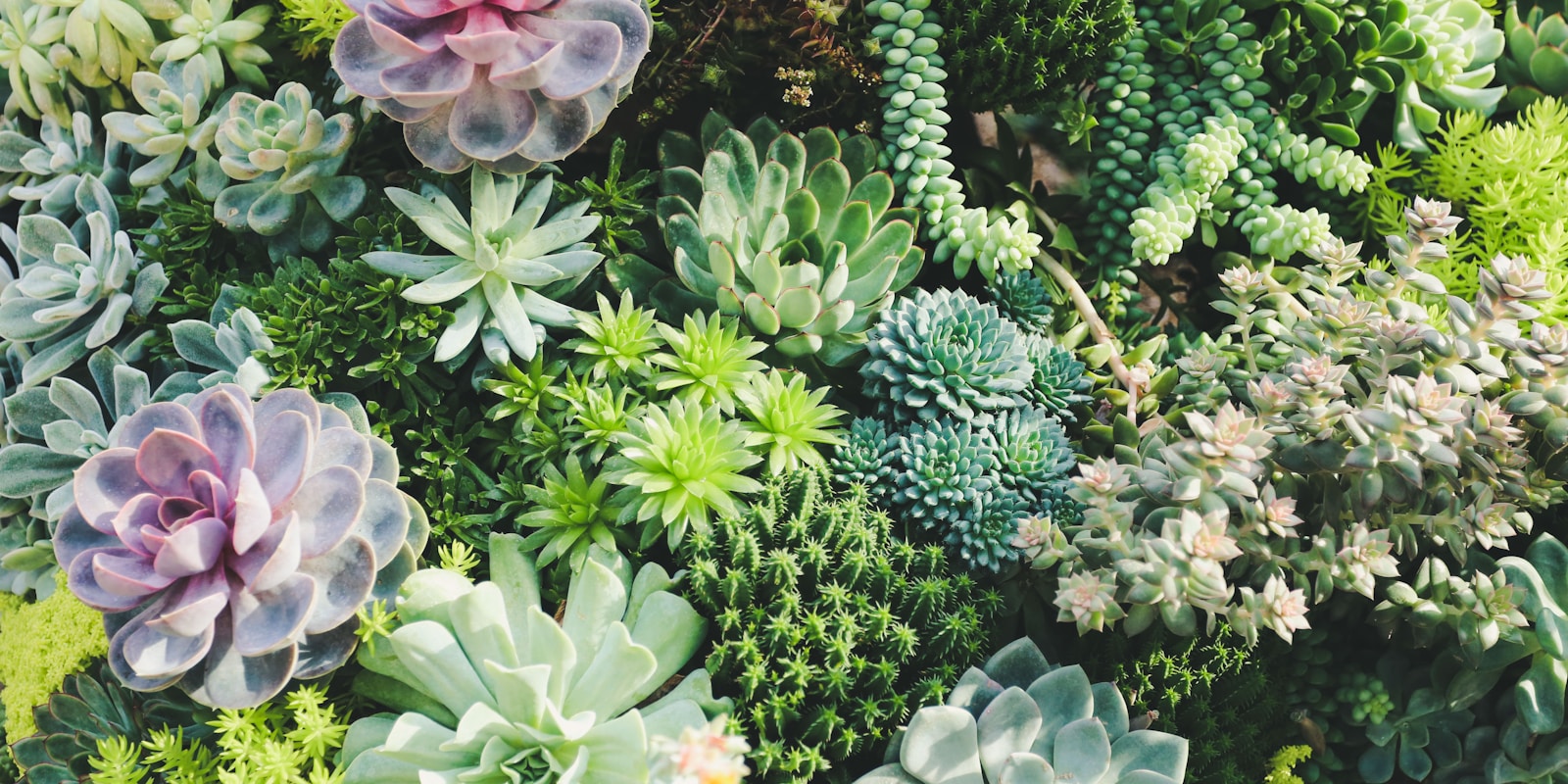
Enhancing Curb Appeal: Front Yard Garden Design Tips to Impress
Whether you have a sprawling yard or a compact outdoor space, the design of your front garden plays a crucial role in shaping the overall curb appeal of your home. A well-designed front yard garden is like an inviting handshake, welcoming guests and passersby while adding character and charm to your property. To make a lasting impression with your front yard garden, consider these design tips: 1. **Create a Clear Path:** A well-defined pathway leading to your front door not only enhances accessibility but also acts as a guiding element for visitors. You can use various materials like pebbles, bricks, or tiles to delineate the path and add visual interest. 2. **Balance Greenery and Hardscaping:** Striking a balance between plants and hardscaping elements such as stone walkways or decorative borders is key to a visually appealing front yard design. This harmony creates a welcoming atmosphere and adds structure to the space. 3. **Focus on Seasonal Plants:** Incorporating a mix of seasonal plants ensures that your front garden looks vibrant and fresh throughout the year. Explore a variety of flowers, shrubs, and trees that bloom during different seasons to maintain visual interest. 4. **Utilize Vertical Space:** Make use of vertical elements like trellises, hanging planters, or climbing vines to add height and dimension to your front yard garden. Vertical gardening not only maximises space but also creates a visually appealing backdrop. 5. **Select a Focal Point:** Introduce a focal point such as a striking sculpture, a fountain, or a captivating plant arrangement to draw attention and create a sense of intrigue in your front yard. This feature can serve as a visual anchor for the overall design. 6. **Incorporate Lighting:** Well-placed lighting fixtures can accentuate the beauty of your front yard garden, especially during the evening hours. Consider installing path lights, spotlights, or uplights to highlight key elements and create a warm, inviting ambiance. 7. **Maintain Neatness:** Regular maintenance is essential to keep your front yard garden looking its best. Prune overgrown plants, weed out unwanted growth, and ensure that pathways are clear and well-maintained to uphold the visual appeal of your outdoor space. By implementing these front yard garden design tips, you can elevate the curb appeal of your home and impress visitors with a welcoming and aesthetically pleasing outdoor space. Remember, a well-designed front garden is not only a reflection of your style and personality but also a delightful introduction to your home
Creating Tranquil Retreats: Zen Garden Design Ideas for a Relaxing Outdoor Oasis
Zen garden design offers a serene and calming atmosphere that can transform your outdoor space into a tranquil retreat. By incorporating elements of simplicity, minimalism, and natural beauty, you can create an oasis of relaxation right in your own backyard. One key aspect of Zen garden design is the use of natural materials such as stone, gravel, and wood to create a sense of harmony with the surrounding environment. These materials can be arranged in a minimalist fashion to evoke a sense of calm and balance. Consider creating a gravel pathway that meanders through your garden, leading to a peaceful seating area where you can unwind and enjoy the beauty of nature. Incorporating water features such as a small pond or a simple fountain can further enhance the tranquillity of your Zen garden. The sound of flowing water can have a soothing effect on the mind and body, creating a peaceful ambiance that promotes relaxation and mindfulness. You can also add ornamental plants such as bamboo or Japanese maple to bring a touch of greenery and colour to your garden while maintaining a sense of simplicity and elegance. Another key principle of Zen garden design is the concept of "wabi-sabi," which embraces imperfection and transience. This philosophy encourages you to appreciate the natural cycle of growth and decay, creating a sense of beauty in simplicity and impermanence. To embrace this concept in your garden design, consider adding weathered stone lanterns, moss-covered pathways, or aged wooden benches to create a sense of history and timelessness in your outdoor space. By incorporating these Zen garden design ideas into your outdoor space, you can create a relaxing oasis that promotes peace, mindfulness, and tranquillity. Whether you have a small patio or a spacious backyard, implementing elements of simplicity, natural beauty, and harmony can help you transform your garden into a serene retreat where you can escape the stress of daily life and reconnect with nature
Conclusion
In conclusion, the art of garden design offers endless possibilities to transform your outdoor space into a breathtaking haven. From maximising compact areas with creative designs to harmonising hardscape and softscape elements, there are numerous ways to revolutionise your garden. Embracing sustainable gardening practices not only enhances the beauty of your space but also contributes to a greener environment. Front yard garden design tips elevate curb appeal, while Zen garden design ideas create a tranquil oasis for relaxation. By exploring innovative approaches to garden design, you can create a visually striking and sensory delighting landscape that leaves a lasting impression on visitors. Let your creativity flourish and embark on a journey that will redefine your outdoor space, turning it into a stunning sanctuary to enjoy for years to come