10 Inspiring Garden Design Ideas for Your Outdoor Oasis
Welcome to our latest blog post where we dive into the world of garden design to help you transform your outdoor space into a serene oasis. From maximising small spaces with clever tips to infusing sustainability into your design, we've got you covered. Discover how to create a Zen-inspired retreat to unwind after a long day and add a pop of colour with vibrant flowers to your garden design for that extra wow factor. We'll also explore the latest modern garden design trends that marry functionality with aesthetics seamlessly. Whether you're a gardening novice or a seasoned pro, get ready to be inspired by our 10 exciting garden design ideas that will elevate your outdoor sanctuary to a whole new level. So grab your gardening gloves and let's get started on this creative journey together!
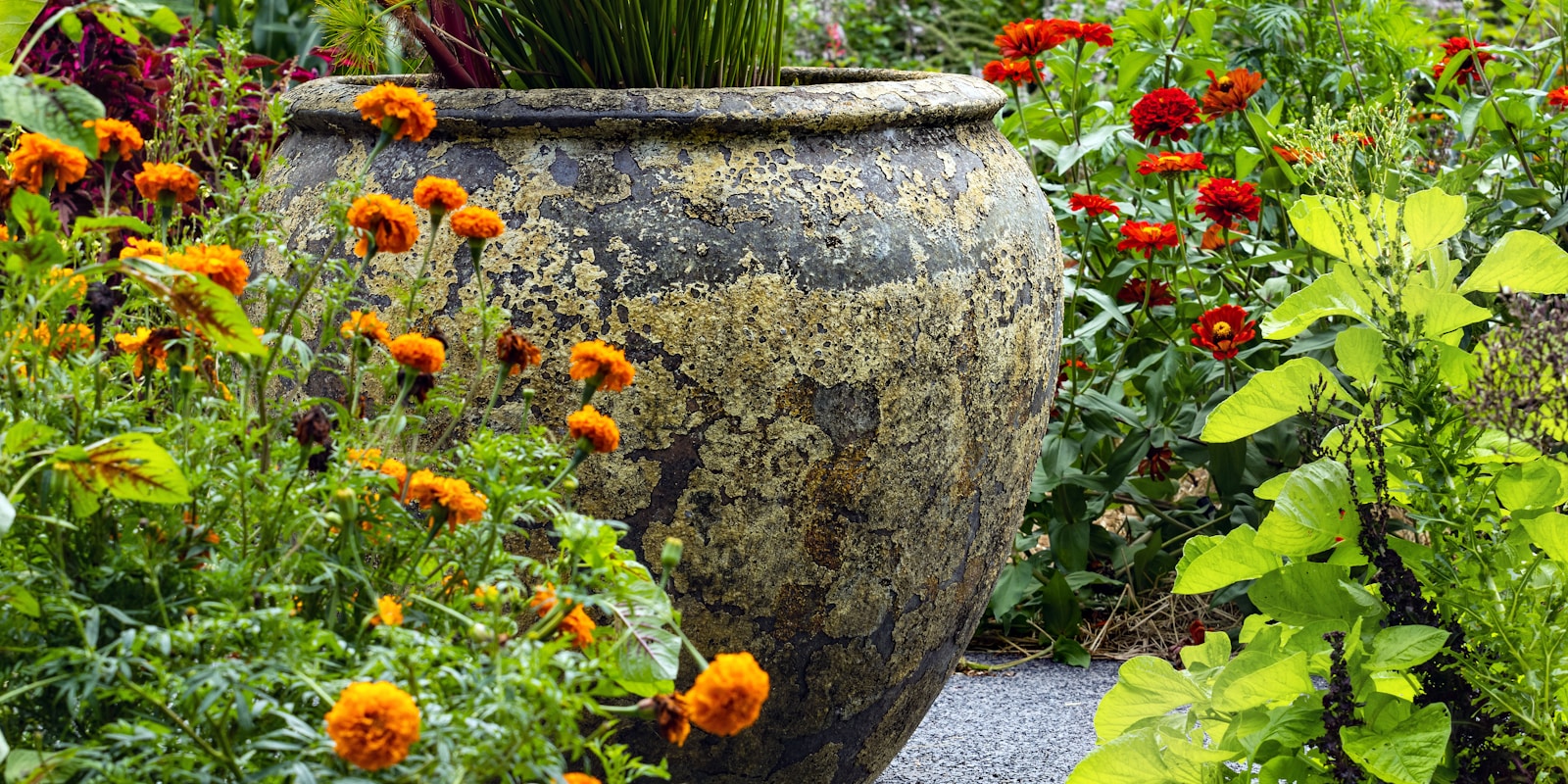
Maximising Space: Small Garden Design Tips
Creating a beautiful outdoor oasis in a small garden requires strategic planning and clever design solutions to maximise the available space effectively. Here are some tips to help you make the most of your small garden: 1. Vertical Gardening: Utilise vertical space by adding trellises, hanging planters, or wall-mounted containers. This allows you to grow plants upwards, keeping the ground space free for other elements. 2. Multi-functional Furniture: Invest in furniture that can serve multiple purposes, such as storage benches, foldable tables, or chairs that can be stacked when not in use. This helps save space and keeps your garden looking organised. 3. Layered Planting: Create depth in your small garden by using layered planting techniques. Place taller plants at the back and shorter ones towards the front to give the illusion of a larger space. 4. Optimal Plant Selection: Choose plants that are suitable for small spaces, such as dwarf varieties, vertical growers, or those that can be trained to grow in specific shapes. This ensures that your garden remains lush without overcrowding. 5. Strategic Lighting: Incorporate lighting elements like fairy lights, lanterns, or uplights to illuminate your garden at night. Proper lighting not only enhances the ambiance but also visually expands the space. 6. Mirror Illusion: Strategically place mirrors in your garden to create the illusion of depth and space. Mirrors reflect light and greenery, making the area feel larger and more open. 7. Defined Zones: Divide your small garden into distinct zones for dining, lounging, and gardening. By clearly defining each area, you can make the space feel purposeful and organised. 8. Compact Features: Opt for smaller-scale features such as a water fountain, mini pond, or a compact fire pit. These elements add interest to your garden without overwhelming the limited space. 9. Clever Pathways: Instead of traditional straight paths, consider using winding pathways or stepping stones to create a sense of exploration within your garden. This technique can make the area feel bigger than it actually is. 10. Minimalistic Approach: Embrace a minimalist design ethos by keeping the decor simple and clutter-free. Less is more in a small garden, so choose your elements wisely to avoid overcrowding. By incorporating these small garden design tips, you can transform your outdoor space into a tranquil oasis that feels spacious and inviting, no matter its size
Incorporating Sustainable Elements into Your Garden Design
When it comes to creating a beautiful outdoor oasis through garden design, incorporating sustainable elements can elevate the space to a whole new level. Not only does this approach benefit the environment by reducing your carbon footprint, but it also adds a unique and eco-friendly touch to your garden design. Here are some key sustainable elements you can integrate into your garden design to create a harmonious and green outdoor space: 1. **Native Plants**: Opting for native plants in your garden design not only supports the local ecosystem but also reduces the need for excessive watering and chemical pesticides. Native plants are adapted to the local climate, requiring less maintenance and resources to thrive. 2. **Rainwater Harvesting**: Installing a rainwater harvesting system allows you to collect and store rainwater to use for watering your garden. This sustainable practice helps conserve water and reduces your reliance on mains water supply. 3. **Composting**: Creating a composting system in your garden not only reduces waste but also produces nutrient-rich soil for your plants. By composting kitchen scraps and garden waste, you can enhance the soil quality without relying on synthetic fertilisers. 4. **Permeable Paving**: Utilising permeable paving materials in your garden design allows rainwater to drain through the surface, reducing runoff and minimising soil erosion. This eco-friendly option helps replenish groundwater and supports healthy soil structure. 5. **Solar Lighting**: Embracing solar-powered lighting fixtures illuminates your garden using renewable energy. Solar lights are not only energy-efficient but also add a charming ambience to your outdoor space without contributing to electricity consumption. 6. **Habitat Creation**: Designing your garden to provide habitats for local wildlife, such as bird feeders, insect hotels, or butterfly gardens, promotes biodiversity and ecological balance. By incorporating these elements, you create a thriving ecosystem within your outdoor oasis. 7. **Drought-Resistant Plants**: Selecting drought-resistant plants for your garden design reduces water consumption and maintenance needs. These plants are well-suited to dry conditions, ensuring sustainable growth while conserving water resources. 8. **Upcycled Garden Decor**: Repurposing old items into garden decor, such as using reclaimed wood for raised beds or turning old containers into planters, adds a creative and sustainable touch to your garden design. Upcycling not only reduces waste but also infuses character into your outdoor space. Incorporating these sustainable elements into your garden design not only enhances the aesthetic appeal of your outdoor oasis but also contributes to a greener and more eco-conscious lifestyle. By embracing sustainability in your garden design, you create a harmonious and environmentally friendly space that nurtures both your plants and the planet
Creating a Relaxing Retreat: Zen Garden Design Ideas
Zen garden design is all about creating a serene and tranquil space within your outdoor oasis. By incorporating elements such as minimalistic landscaping, natural materials, and peaceful water features, you can transform your garden into a relaxing retreat that promotes mindfulness and tranquility. When it comes to Zen garden design, simplicity is key. Opt for clean lines, uncluttered spaces, and a neutral colour palette to evoke a sense of calm and balance. Consider using gravel or sand to create raked patterns that mimic the ripples in water, enhancing the Zen-like atmosphere. Incorporating natural materials such as wood, bamboo, and stone can further enhance the Zen aesthetic of your garden. Integrate these elements into features like pathways, bridges, or garden sculptures to create a harmonious blend of nature and design. Water features also play a crucial role in Zen garden design, creating a soothing ambiance with the gentle sound of running water. Whether it's a small pond, a cascading waterfall, or a simple fountain, incorporating water elements can help to promote relaxation and mindfulness in your outdoor space. To truly embrace the Zen philosophy in your garden design, focus on creating balance and harmony in every aspect of your outdoor oasis. By paying attention to the flow of energy, incorporating natural elements, and embracing simplicity, you can create a peaceful retreat that rejuvenates both the body and the mind
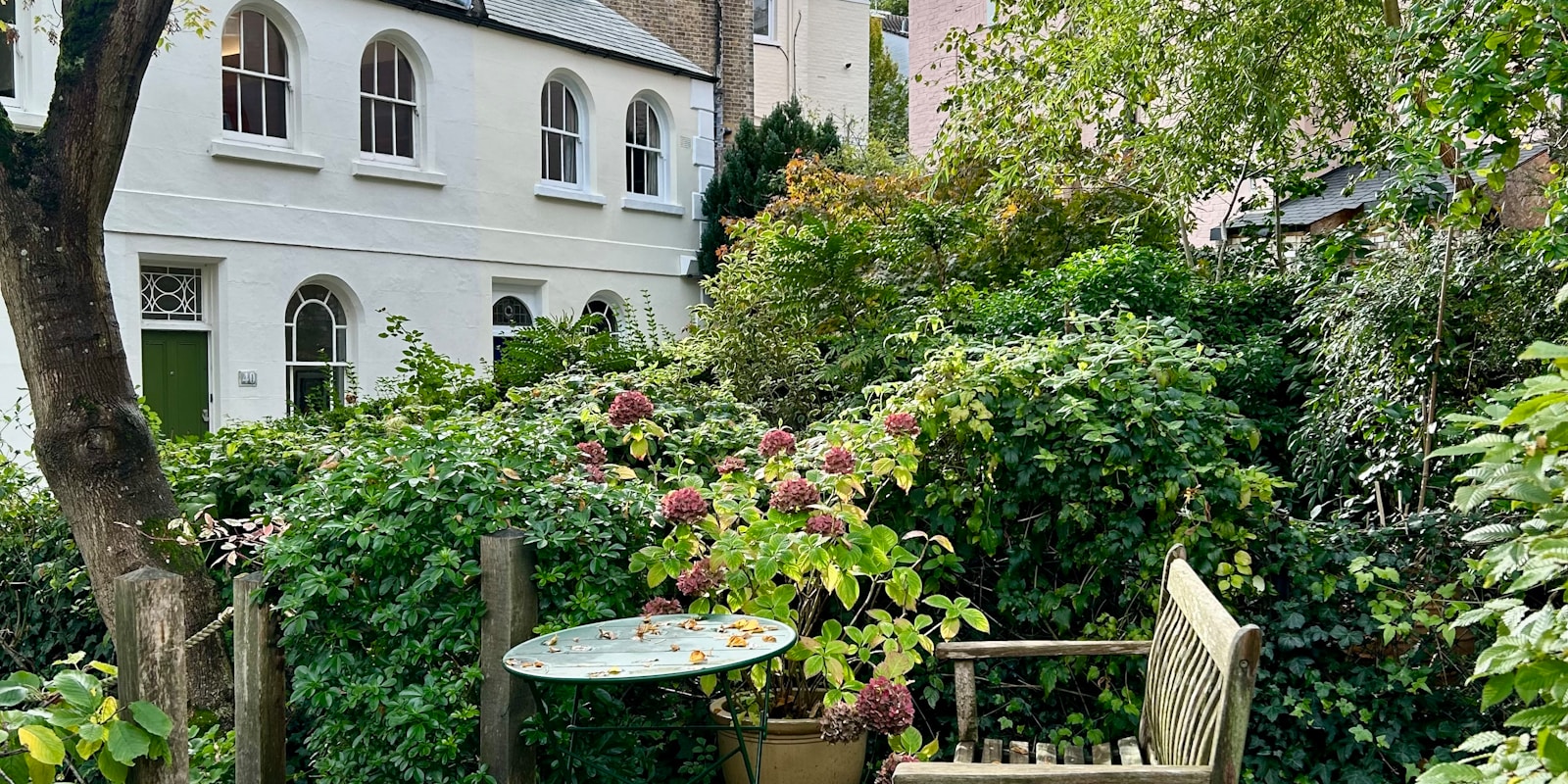
Embracing Colour: Vibrant Flower Garden Design Inspiration
Gardens are not just about greenery; they are a canvas where nature paints with vibrant colours, primarily through beautiful flowers. When it comes to garden design, embracing colour is a powerful way to create an impactful and visually striking outdoor oasis. From bold and bright hues to soft pastels, the strategic use of colour can transform any garden into a vibrant paradise. One inspiring idea for incorporating colour into your garden design is to create themed flower beds. Choose a colour scheme that resonates with you, whether it's a harmonious blend of pastel pinks and purples or a contrasting mix of reds and oranges. By planting flowers that bloom in varying shades of your chosen colours, you can create a cohesive and visually appealing garden that is sure to impress. Another way to infuse colour into your garden design is by incorporating decorative elements such as colourful pots, vibrant garden furniture, or eye-catching garden ornaments. These pops of colour can add visual interest and create focal points within your outdoor space. Furthermore, consider the seasonal aspect of colour in your garden design. Plan your flower choices so that different blooms will burst into colour throughout the year, ensuring a constantly changing and dynamic garden landscape. In conclusion, embracing colour in your garden design through vibrant flowers not only adds beauty and visual appeal but also creates a welcoming and lively outdoor oasis for you to enjoy. So, don't be afraid to play with colours and let your garden bloom with vibrancy and life
Balancing Form and Function: Modern Garden Design Trends
When it comes to modern garden design trends, achieving the perfect balance between form and function is paramount. A well-designed garden not only enhances the aesthetic appeal of your outdoor space but also serves a practical purpose. One of the key trends in modern garden design is the use of versatile outdoor furniture and fixtures that combine style and functionality. From sleek modular seating arrangements to multi-functional storage solutions, contemporary gardens are designed to maximise space and usability without compromising on visual appeal. Incorporating sustainable and eco-friendly elements is another growing trend in modern garden design. From rainwater harvesting systems to native plant species that require minimal maintenance, creating an environmentally conscious outdoor oasis is both stylish and responsible. In terms of form, clean lines, geometric shapes, and minimalistic design principles are prevalent in modern garden aesthetics. Simplifying landscaping elements and opting for a more structured layout can create a cohesive and calming outdoor space that is visually appealing and easy to maintain. Lighting also plays a crucial role in modern garden design, both in terms of functionality and ambience. Strategic placement of energy-efficient lighting fixtures can highlight key design features, extend the usability of outdoor spaces into the evening, and create a warm and inviting atmosphere. Overall, modern garden design trends focus on striking a harmonious balance between form and function. By incorporating innovative design elements, sustainable practices, and thoughtful planning, you can create an outdoor oasis that is both visually stunning and highly practical for everyday use
Conclusion
In conclusion, transforming your outdoor space into a tranquil oasis is achievable with the right garden design ideas. From utilising small spaces effectively to incorporating sustainable elements, there are endless possibilities to enhance your garden. Whether you prefer a Zen-inspired retreat or a vibrant floral paradise, your garden design can reflect your personal style and create a relaxing environment. By staying updated on modern garden design trends that balance functionality and aesthetics, you can elevate your outdoor sanctuary to new heights. No matter your gardening experience, these 10 inspiring ideas will guide you towards a beautiful and rejuvenating outdoor space. So, start planning and get ready to enjoy your own piece of paradise right in your backyard!